
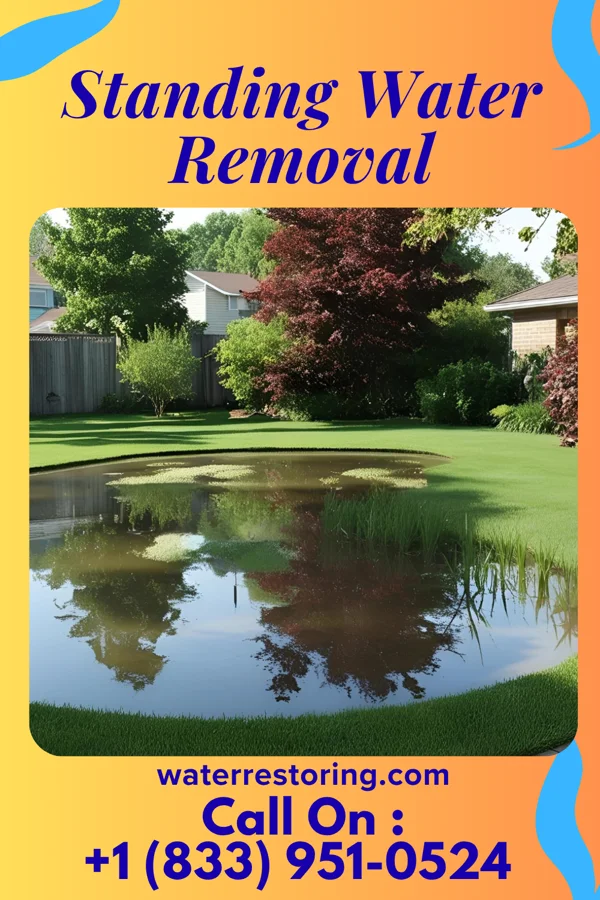
Selinsgrove Standing Water Drivers
Water damage in Selinsgrove tends to cluster in predictable windows because of the local climate. In Selinsgrove, Pennsylvania, the primary water damage causes include flooding from the Susquehanna River, especially during spring snowmelt and heavy rainfall events, as well as leaks from aging infrastructure and residential plumbing systems. The proximity to Shamokin Dam and the rural setting increases the risk of sudden water intrusion. A close second is Secondary causes include sewer backups, roof leaks from storm damage, and groundwater seepage due to the area's clay soil composition. Additionally, the presence of historic buildings and older homes in Selinsgrove can lead to structural vulnerabilities during water events..
Selinsgrove experiences a humid continental climate with significant precipitation, particularly in the spring and early fall. The region's geography, including its location near the Susquehanna River and the presence of rural properties, heightens the risk of water damage during heavy storms and seasonal flooding.
Selinsgrove experiences a humid continental climate with significant precipitation, particularly in the spring and early fall. The region's geography, including its location near the Susquehanna River and the presence of rural properties, heightens the risk of water damage during heavy storms and seasonal flooding. The dominant local driver is In Selinsgrove, Pennsylvania, the primary water damage causes include flooding from the Susquehanna River, especially during spring snowmelt and heavy rainfall events, as well as leaks from aging infrastructure and residential plumbing systems. The proximity to Shamokin Dam and the rural setting increases the risk of sudden water intrusion., with Secondary causes include sewer backups, roof leaks from storm damage, and groundwater seepage due to the area's clay soil composition. Additionally, the presence of historic buildings and older homes in Selinsgrove can lead to structural vulnerabilities during water events. showing up as the next most common cause. Damage builds in stages. Spread. Absorption. Microbial growth. Structural compromise. Every stage you pass through adds to the final bill.
For public guidance on the health effects of mold after prolonged water exposure, see the EPA mold and health page.